Collaborative Divorce
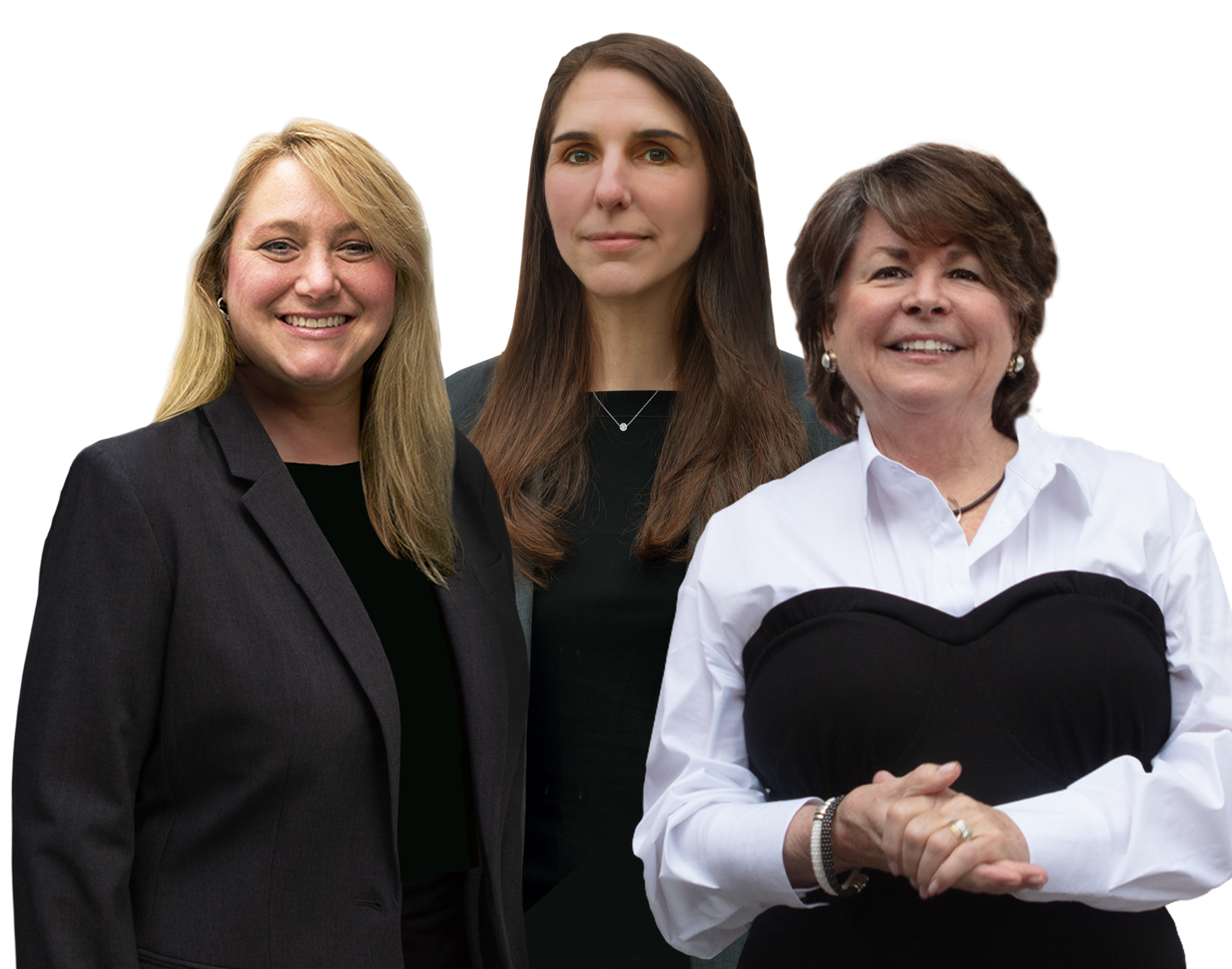
Attorneys Mia Cahill, Beth Smith and Grace Dennigan are trained and practicing collaborative law attorneys. They have represented clients in multiple collaborative law divorces in Central New Jersey and the greater Princeton area.
Collaborative Divorce
Collaborative Divorce is a way for couples to resolve their divorce through negotiation and mediation, rather than going to court. It's an alternative dispute resolution method that focuses on healing and preserving relationships.
It is well-suited for people that want to have a more open and less-adversarial divorce. It is a process, not an end result. and we often represent clients in this manner.
-
Each spouse hires their own lawyer who is trained in collaborative law
The lawyers work together with the spouses to negotiate a settlement
The spouses and lawyers may also work with other professionals, such as a divorce coach, financial expert, or child psychologist
The spouses agree not to use the court system
-
Collaborative divorce can be easier, take less time, and is often less combative than traditional divorce
It can help preserve relationships
It can be more efficient for moving forward
-
If you suspect your spouse will hide information
If you have a history of domestic violence
If you're unable to communicate
Collaborative law, is a process, not an end result. It is well-suited to facilitate an amicable divorce. New Jersey recognized the value of collaborative divorce by adopting a law that set out the process, and provides clients certain protections.
https://law.justia.com/codes/nj/title-2a/section-2a-23d-5/.
All traditional attorney-client confidences and advice that litigation clients receive are provided to our collaborative divorce clients. However, in collaborative divorce, everyone—the clients, the attorneys, and the neutral professional (called a coach), all agree to negotiate, listen to each other, remain child-centered (where appropriate) and come to an agreement without stepping foot in a courtroom.
A collaborative divorce typically results in a signed agreement, resolving all issues. The attorneys then represent the clients in what is called an “uncontested” divorce, normally doing this through court submissions rather than an in-person appearance at court.
In the unlikely event that no final agreement is reached, (because one of the client quits the process, or there is some other unusual event, that ends process prematurely) the clients will need to turn to litigation with different attorneys, and proceed in an adversarial process.
We counsel clients about collaborative divorce, and help them decide if their case might be right for this process. We wish every family could proceed in a dignified, efficient, confidential and child-centered way of divorcing, but there are sometimes reasons why a collaborative divorce is unlikely to work. This is a discussion our attorneys will have with you before recommending you proceed in a collaborative divorce.
This process begins when the attorneys and clients sign a collaborative law participation agreement. The next step will be to set up a meeting with everyone, and to set out the overall plan. This is sometimes called a collaborative roadmap. It helps the clients come to a global agreement. Like other non-litigation processes, it relies on both parties being forthcoming, and providing all relevant requested information.
Sometimes an expert, like an accountant is needed. Wisely, collaborative divorce just uses one person or firm for this, who serves everyone; not just one side.

We are part of the collaborative divorce practice group called the:
Mid-Jersey Collaborative Law Alliance.
We work with collaborative attorneys throughout the state of New Jersey, and are part of the New Jersey Council of Collaborative Practice groups
New Jersey Collaborative Divorce – Divorce Without Court.
Attorneys Mia Cahill and Elizabeth Smith are also members of the International Academy of Collaborative Professionals. You can find out more about this group here:
collaborativepractice.com/what-collaborative-practice.
We are part of
Schedule A Consultation
Finding the right lawyer and firm is critical. And partnering with someone you feel comfortable with and trust, is everything. We’ve been doing this for a long time and understand just how important the an open and honest partnership is. Fill out the form to start the conversation.
-
Whether you are a new or existing client of the firm, Denigan Cahill Smith cannot represent you on any new matter until the firm has made a determination that there is no conflict of interest and that it is willing and otherwise able to accept the new engagement. Unless and until Denigan Cahill Smith has informed you it is willing and able to accept your new matter, do not send the firm any information or documents that you consider private or confidential.